

The infrastructure bill’s hidden tax
Freight rules eventually show up in the price of almost everything.

I have a new piece in the Washington Examiner on the BUILD America 250 Act. The bill could build useful roads, bridges, ports, and freight corridors while making those networks more expensive to use.
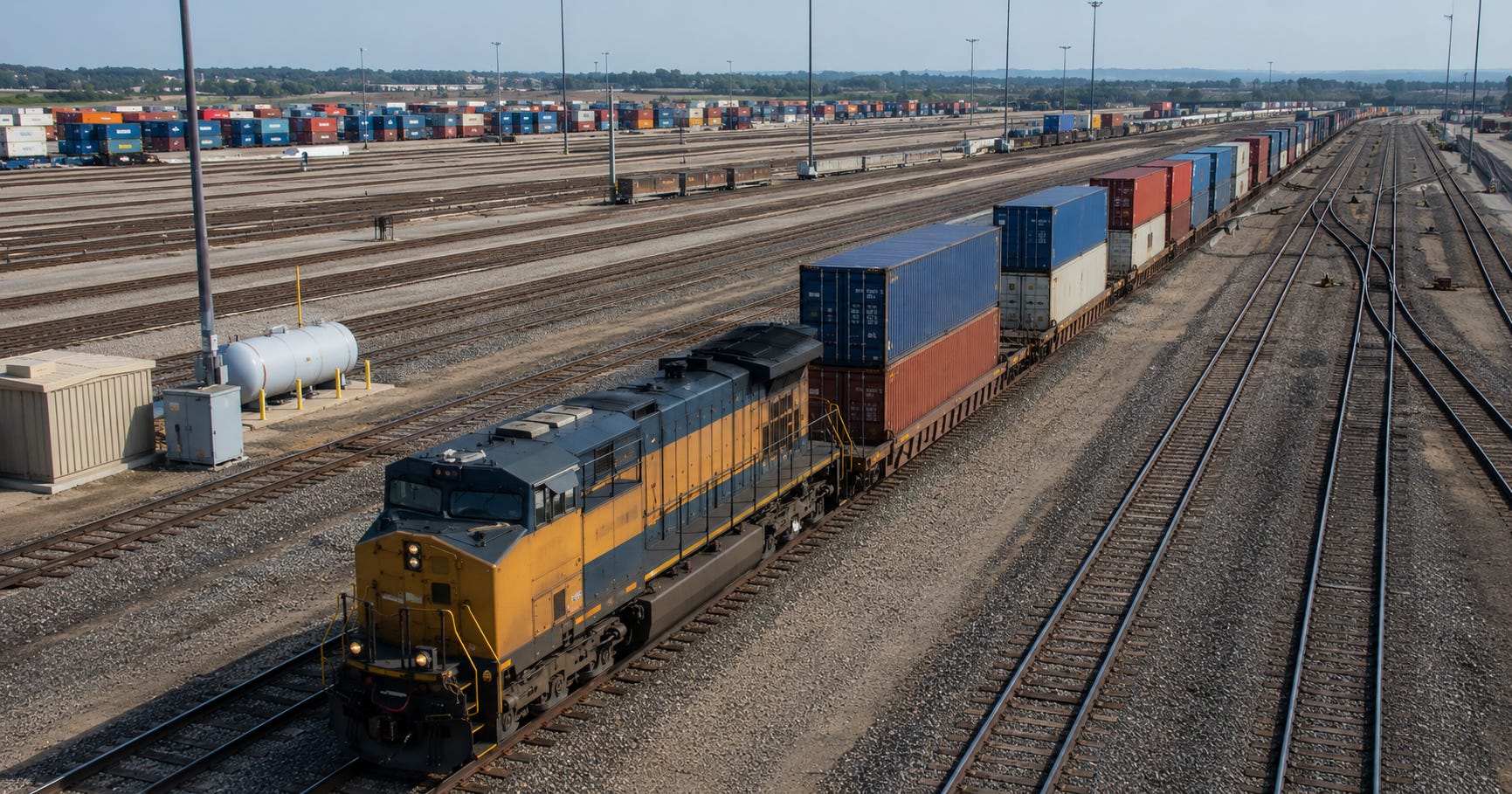
My concern is the accumulation of prescriptive rules—including a statutory two-person crew requirement for Class I freight trains—on top of the rules already there.
Americans don’t experience rules one at a time; we experience the combined system. Unlike taxes, regulatory costs rarely appear on balance sheets or receipts, but some can be measured. They’re embedded in operating expenses, delayed or lost innovation and investment, reduced productivity, and higher prices.
The freight estimates are not small and are especially relevant in an era when costs and inflation are on everyone’s minds:
In recent research on the freight transportation sector, my colleagues and I estimated that a 5% increase in federal rules raises unit costs and prices by roughly 0.8% to 2.3% and reduces quantities shipped by about 1.4% to 4.1%—the regulatory equivalent of paying more to move less.
That research can be found here, by the way. Going forward,
The central question is how to achieve more safety per dollar of compliance, not how to micromanage operating practices.
I make the case for performance-based rules here, in the Washington Examiner.